
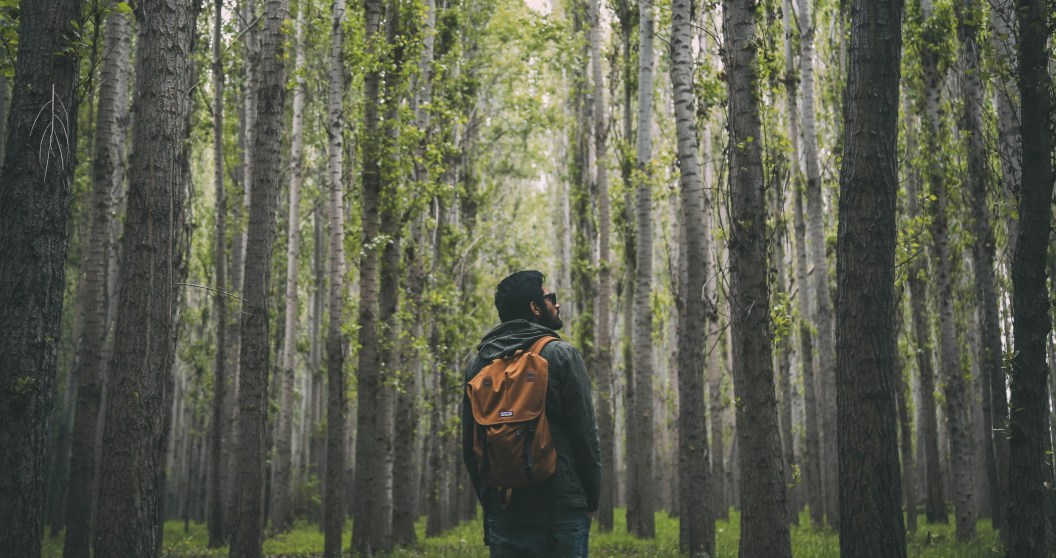
Hiking is a wonderful, oftentimes relaxing activity. You get to enjoy fresh air, stunning landscapes, and some good old-fashioned physical exercise. When imagining the dangers of hiking, most people worry about things like getting lost, spraining an ankle, or becoming dehydrated. While those are all valid concerns, and something you should prepare for, there is another thing you need to be wary of. That thing is wildlife. While wildlife is oftentimes more scared of you than you are of it, it never hurts to be prepared for a potential encounter. Here are 10 animals that you should watch out for on a hike, as well as the best ways to prepare for them.
1. Bears

Image via Shutterstock
While encountering a bear on a hike is generally uncommon, your chances increase based on things such as location and time of year. Therefore, if you want to lessen the chance of running into a bear, avoid peak season (between May and August) and avoid areas with known bear populations, such as wilderness areas. When hiking, there are some best practices to follow to avoid any unwanted encounters with a bear. First, walking in groups helps. Second, avoid hiking around dusk or dawn. Finally, you can carry bear spray with you and try to make noise as you hike through the woods so the bear can hear you.
2. Coyote
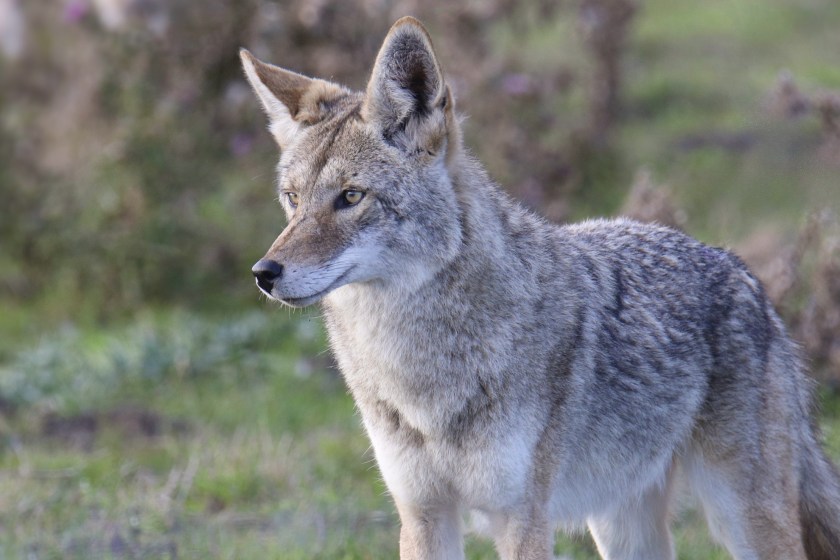
Image via Shutterstock
While uncommon, coyotes are one of the animals you could encounter on a hike. Therefore, they are one of the animals you should watch out for. Luckily, coyotes are not typically considered a significant threat to humans. While they usually avoid contact with people, it is best to be prepared. Coyotes are more likely to attack if they feel threatened or if it is pup season (which runs from March to May). If you come into contact with a coyote on your hike, the LATimes suggests you do the following. First, discern what the coyote is doing. Most times, they are just curious and will not actually approach you. Second, move elsewhere. If the animal is walking towards you, move a safe distance away from it. However, do not run. Also, pick a small child or dog up off the ground. Finally, be big and loud.
3. Raccoons

Pexels image by patrice schoefolt
While I have always found raccoons to be adorable, I have no desire to run into one. Although they typically avoid humans, like most of the animals on this list, they can become aggressive if they feel threatened or concerned. You are far more likely to spot one of these creatures on your hike, so it is best to know how to give them their space. Often found in urban parks or trails, they can also be spotted in forests and wetlands. Although they are most active at night, they can be spotted during the day as well. Your best bet when it comes to this animal is to give it space and make sure it doesn't feel cornered.
4. Mountain Lion
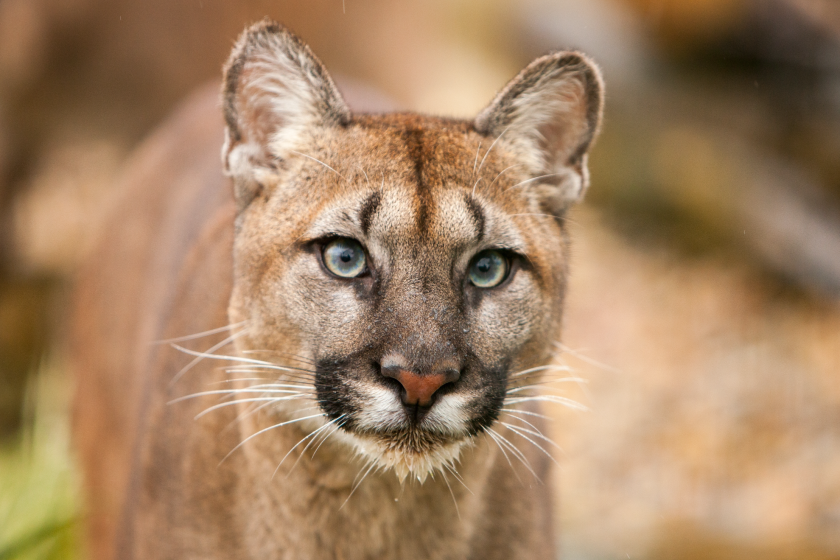
Shutterstock Photo
While mountain lions tend to avoid contact with humans as well, they are powerful predators, and an encounter with them could be fatal. Primarily found in the western United States, these are one of the many animals you should watch out for on a hike. There are several things you can do if you happen to run across a mountain lion during your hike. First, appear large and be loud. Raise your arms, open your jacket, do anything to make yourself seem big and scary. Second, maintain eye contact with the animal to show it that you are not prey. Also, back away slowly, do not turn your back, and run. Finally, stay close to your hiking group and keep your dog nearby as well.
5. Moose

Image via Shutterstock
Moose are typically not an animal that many people fear. However, they can cause significant damage if they want to. Like most of the animals on this list, moose are not dangerous unless they feel threatened. So, do your best not to threaten the moose. While not extremely common, spotting a moose on your hike is definitely possible, particularly if you are in northern states or national parks. In fact, statistically speaking, a moose attack is far more common than a bear attack. If you want to avoid an attack, maintain a safe distance between you and the wild animal. Also, back away slowly and perhaps even duck behind a large tree until the animal calms down.
6. Snakes
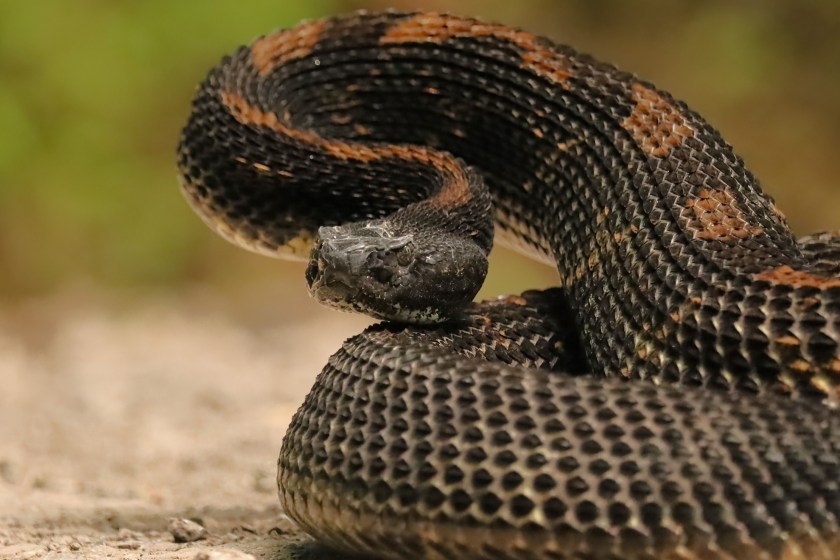
Image via Shutterstock
This is definitely one of the animals that most people know to watch out for while on a hike. Encountering a snake during a hike is not uncommon. However, the danger level of that situation depends on what types of snakes are prevalent in your hiking area. While no one wants to get bitten by any sort of snake, I am sure we would all prefer non-venomous over venomous. To help mitigate this risk, it is imperative that you wear the proper attire while hiking. You want to wear long pants and study shoes that cover your entire foot. That way, less of your body is exposed to the snake. Additionally, staying on the trail and avoiding tall grasses helps to lessen the chances of an unwanted encounter. If you see a snake, never approach or handle it.
7. Wild Boars

Shutterstock Image
I know, this animal probably did not make it on your animals to watch out for while on a hike list. However, do not underestimate the wild boar. They average around 350 pounds and have deadly tusks. Luckily for all of us, wild boar attacks are uncommon. However, like most animals on this list, if they feel threatened, they may attack. Oftentimes, if they attack, it is because they feel cornered or because they are protecting their young. So, if you encounter one on a hike, be sure to give it a lot of personal space. Try to avoid startling them, and if one does charge at you, try to climb a tree or find an elevated surface to get on top of. Additionally, be aware of signs of wild boar activity such as tracks, rooting, or wallows.
8. Wolf

Image via Shutterstock
I am sure I don't need to go into detail about why this animal could be potentially dangerous if you ran into it. Luckily, while an attack from this creature can be fatal, it rarely happens. The best way to prevent a wolf attack is to understand their behavior. Similar to other animals on this list, you want to maintain eye contact with the wolf, so it knows you are not prey. Additionally, act large and aggressively so that it will see you as a threat. If it does attack you, aim for sensitive areas on the animal. You can also use bear spray in this instance.
9. Ticks

Image via Shutterstock
Although this is one of the smallest animals on our list, it is one of the ones you need to watch out for the most. Ticks are disgusting. Honestly, I still have yet to find their purpose in life. Not only are they gross, but they are incredibly common and frequently encountered on hikes. Ticks carry a host of bacteria and diseases, some very serious. To minimize the risk of being bitten by a tick, wear light-colored, long-sleeved clothing. Also, tuck your socks into your boots and avoid tall grasses. Additionally, use insect repellent. After you hike, check your body thoroughly.
10. Mosquitos
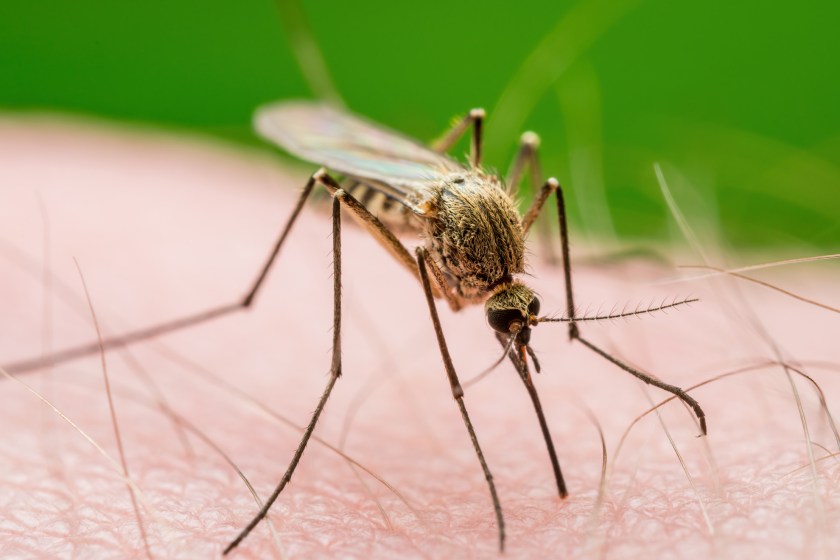
Image via Shutterstock
Similar to ticks, this tiny nuisance can be far deadlier than half of the larger animals on this list. Also, another disease-carrying insect, mosquitoes, is equally annoying and potentially dangerous. While many mosquito bites result in nothing other than an irritating itch, some can result in far worse things. Similar to avoiding ticks, if you want to avoid mosquitoes, wear clothing that covers your skin, use insect repellent, and be aware of your surroundings.

