
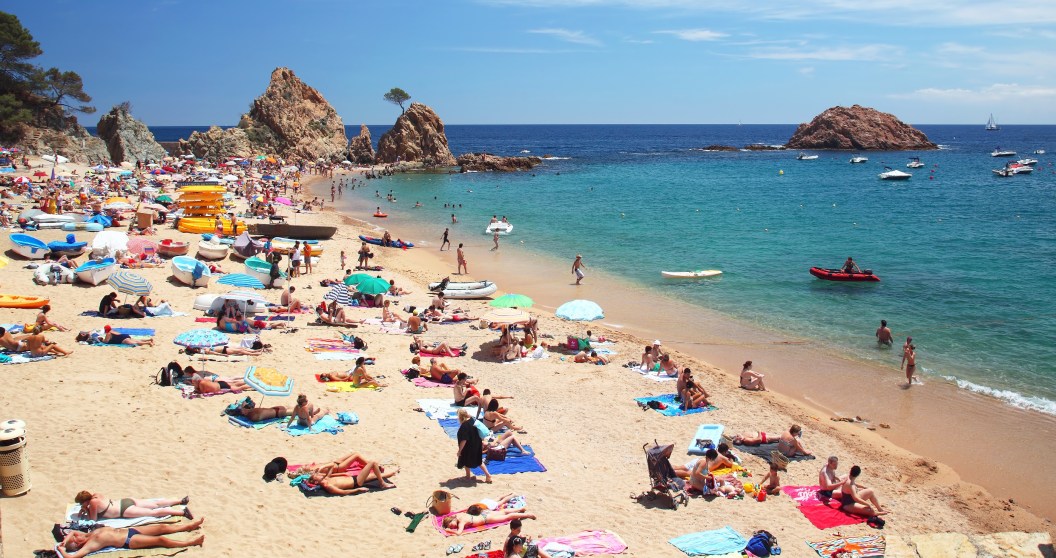
Spain is a sought-after destination for tourists. It boasts delicious cuisine, rich history, and stunning beaches — what's not to love? However, those beaches feature more than just pristine sand. Recently, a popular summer hotspot in the country was forced to shut down after people discovered some alarming venomous creatures.
Venomous Creatures Discovered
Getty images by EyeEm Mobile GmbH
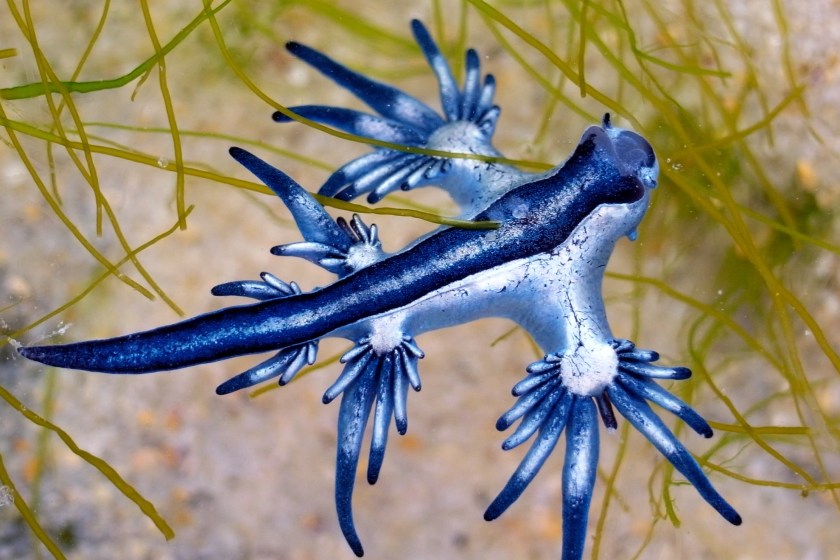
According to the NY Post, "The town of Guardamar del Segura, located just north of Torrevieja on Spain's Mediterranean Costa Blanca, implemented a swimming ban across all beaches." This ban came after authorities discovered not one, but two of the same venomous sea creatures. The creatures in question are known as "blue dragons." Their scientific name is Glaucus atlanticus. These blue dragons were discovered in water near Vivers Beach, a stunning location that many locals enjoy. When looking at the blue dragon, you may be surprised that an entire beach shut down because of it.
The creature is relatively small, measuring between 3 and 4 centimeters in length. In addition to their size, their physical appearance is also non-threatening. Apart from their vivid coloring, which usually indicates danger in nature, they are quite beautiful creatures. The blue dragon is, unsurprisingly, a stunning shade of blue. Additionally, they have wing-like tendrils that fan out on either side of their body. To me, they look like a cross between a slug and a bird. This is fitting considering the blue dragon is a type of sea slug. However, unlike other sea slugs, this one is dangerous.
What Makes Them So Dangerous?
Although they do not look scary, these little sea slugs can pack a punch. That is mainly because of the food that they consume. The blue dragon feeds on venomous prey, such as the Portuguese man o'war. Rather than being negatively impacted by its venom, this sea slug "concentrates its stinging cells in its own tissues." Due to that ability, these blue dragons are even more venomous than the prey they consume. I am sure I don't need to explain why something more venomous than the well-known Portuguese man o'war is dangerous. A person suffering from a sting from this creature could have one or more of the following symptoms: pain at the sting site, nausea, skin irritation, and acute allergic reactions.
Popular Summer Hotspot Forced To Shut Down
Naturally, after finding two of these venomous creatures on their shores, authorities in Spain had to act. The Guardamar police released a statement on Facebook, addressing the concern. In the post, they wrote, "Due to the massive appearance of the Blue Dragon (Glaucus atlanticus), and for citizen safety reasons, SWIMMING is PROHIBITED on all beaches of the municipality until further notice." From there, they shared that coming into contact with the animal can be painful and that visitors should "exercise caution and avoid direct contact with specimens that may appear in the sand." Additionally, authorities are scanning the shoreline to see if any more blue dragons turn up.
While it is regrettable that a popular hotspot had to close in the heart of summer, public safety has to come first. Local authorities also warned anyone who experiences a skin irritation to rinse with saltwater and seek medical attention immediately.

