
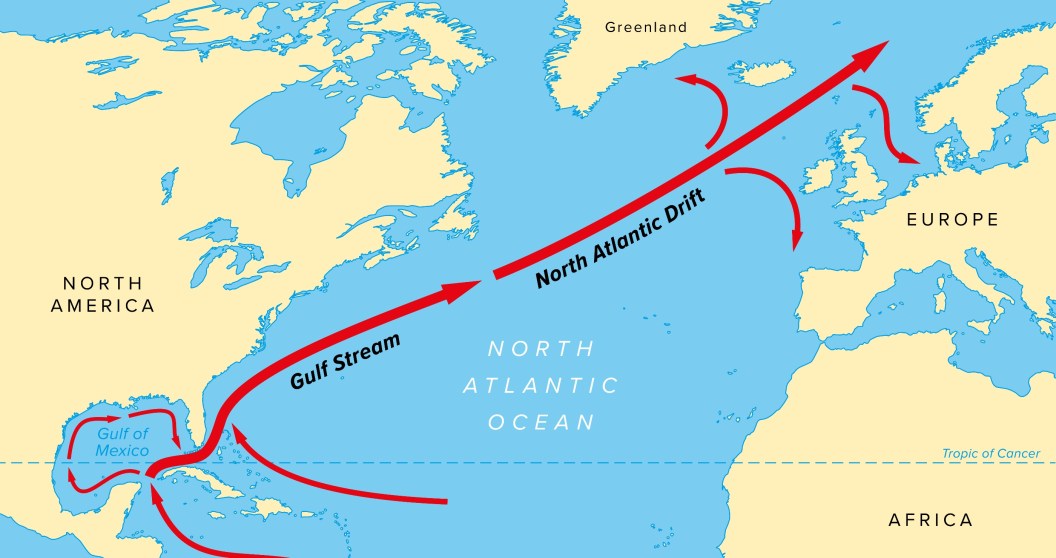
Recently, climate scientists shared a rather apocalyptic prediction with the world. According to their findings, the ever-important Gulf Stream is on the verge of collapse. If their predictions are correct, this could have disastrous consequences for the planet. Naturally, they are ringing the alarm bells and hoping that people pay attention so that we still have time to turn this around.
Climate Scientists Share That The Gulf Stream Is On The Verge Of Collapse
Climate scientists shared the terrifying news that a key Atlantic current could be on the brink of collapse within just a few decades. The controversial new study was published in the journal Communications Earth & Environment. The Atlantic Meridional Overturning Circulation, or AMOC, is known as a "conveyor belt of the ocean." The NY Post shares its importance and its major role in funneling "warm water toward the ocean surface from the tropics to the Northern Hemisphere." This paramount current helps to maintain the climate of Europe, the UK, and even the US East Coast.
While all has been going well for quite some time, things are now changing. The source of this current's temperature regulator is the Greenland Ice Sheet. Unfortunatley, due to climate change, that ice sheet has begun thawing out. That thawing has caused meltwater runoff to leach into the North Atlantic. From that runoff, temperatures in the ocean have started to shift.
Researchers Find A Hot Spot
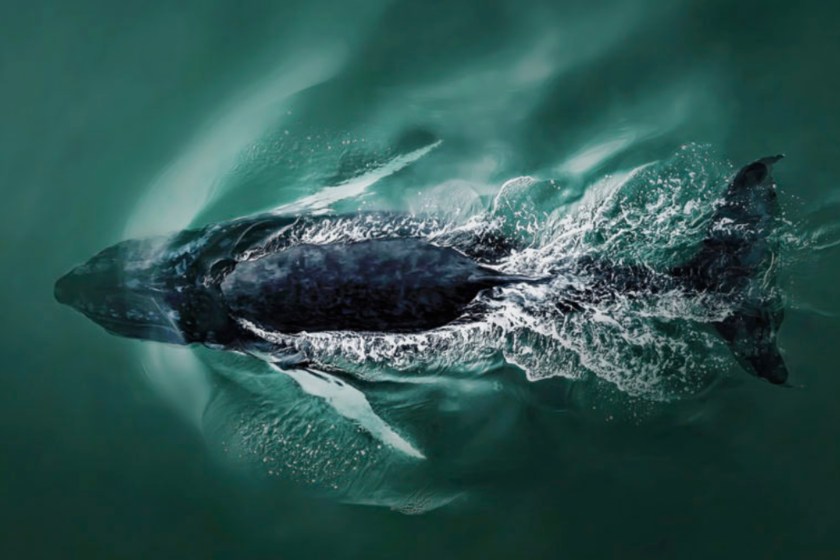
Screenshot from This Year's International Aerial Photographer of the Year Competition by: Joanna Steidle
While conducting their research, climate scientists have discovered a marine hot pocket. The NY Post shares that this hot pocket "appears to suggest that the current slowdown has been occurring for decades and could foment a total decline before the end of the century." Additionally, the slowing down of the AMOC "prompts subsurface warming in the subpolar North Atlantic." The EPA shares some of the startling things that occur as a result of the warming ocean temperatures. First and foremost, many marine populations will need to shift their habitat or will begin to decline. Water temperatures have a direct impact on which species can live in an area. Furthermore, they share that "acidification affects many animals' ability to make shells or skeletons, while low oxygen levels can contribute to hypoxia, or dead zones."Species as small as plankton are sensitive to water temperature changes and can easily die off if temperatures get too warm. This then affects the entire food chain, as larger animals like whales will begin to suffer food shortages.

