
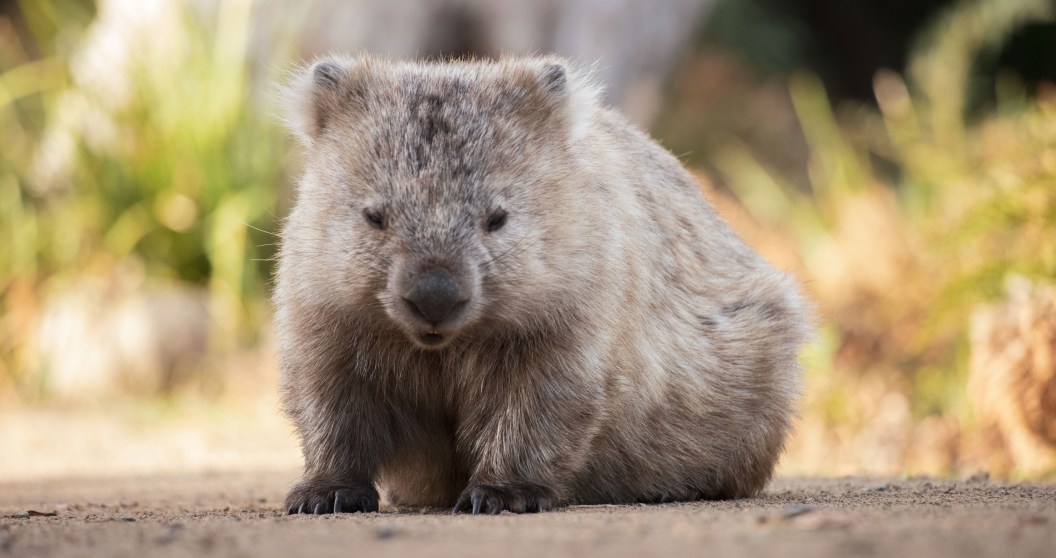
If you have never heard of a wombat, you are not alone. In fact, when I was younger, I thought this was a fictitious animal. However, it is most definitely real. While it may not be as well known as a dog or a dolphin, the wombat is an incredible creature. Here are 10 facts about wombats that will help you get to know this fascinating animal better.
1. Wombats Have Intersting-Shaped Poop
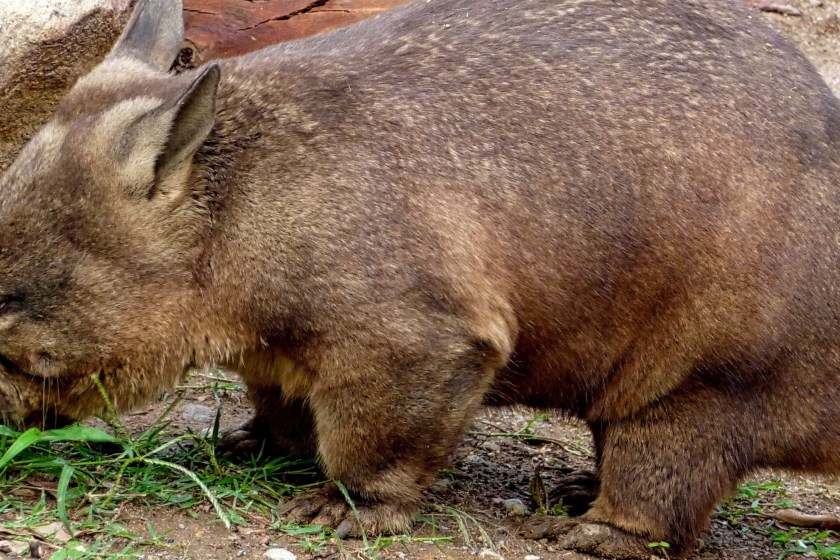
Pixabay image by MemoryCatcher
I know, not the fact you were expecting me to lead with. However, this is truly interesting, I swear. While most of us do not think about the fecal profile of most animals, when it comes to the wombat, it is interesting. The wombat has cube-shaped poop. The shape of their feces is directly correlated to their unique digestion. Not only is their digestive tract unique, but their digestive process is quite long. It takes four times longer than a human's digestion, thus resulting in the bizarre-shaped poops.
2. Their Teeth Never Stop Growing
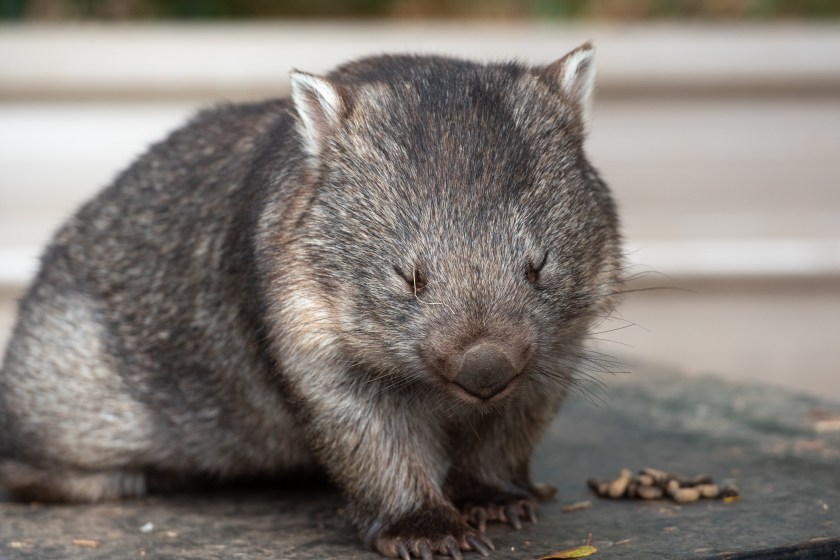
Pixaby image by pen_ash
Next on our list of wombat facts, we have this semi-creepy fact. Wombat teeth never stop growing! Animal experts believe it is because their teeth never get worn down by their diets. A wombat's diet mainly consists of native grasses and sedges, as well as the roots of shrubs and trees.
3. Wombats Are Master Diggers
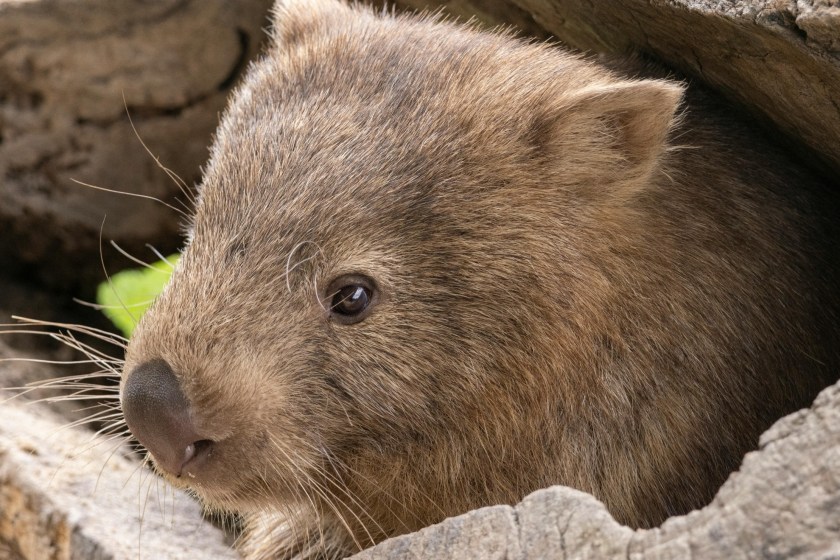
Pexels image by Steve Burcham
WWF Australia shares details on the wombat's excellent digging skills. Their powerful claws are so strong that they can "dig into up to 1 m of hard dirt per night." They do this to construct a network of burrows and tunnels to maneuver through. Some of these burrow networks can be up to 30 m long. These networks are called warrens, and they are so distinct that they can actually be seen from outer space!
4. Their Digging Is Important For The Environment
Pexels image by Leigh Williams
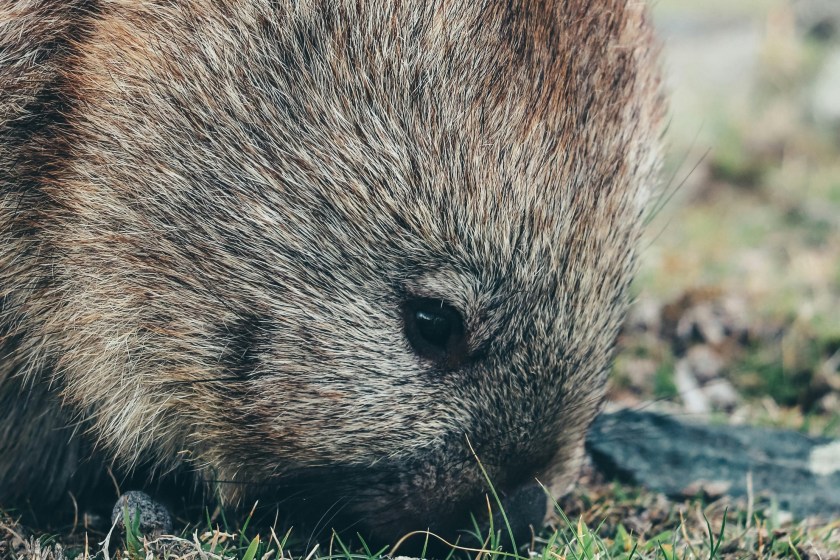
Not only are their burrow networks impressive, but they also help the ecosystems around them. WWF Australia shares, "As wombats dig, they help to aerate the soil by breaking up hard clumps of earth, as well as cycling organic material and improving water penetration." Also, these burrows can provide resources like shelter and water for animals suffering the aftermath of bushfires.
5. Wombats Have Backwards Facing Pouches
Pixabay image by Squirrel_photos
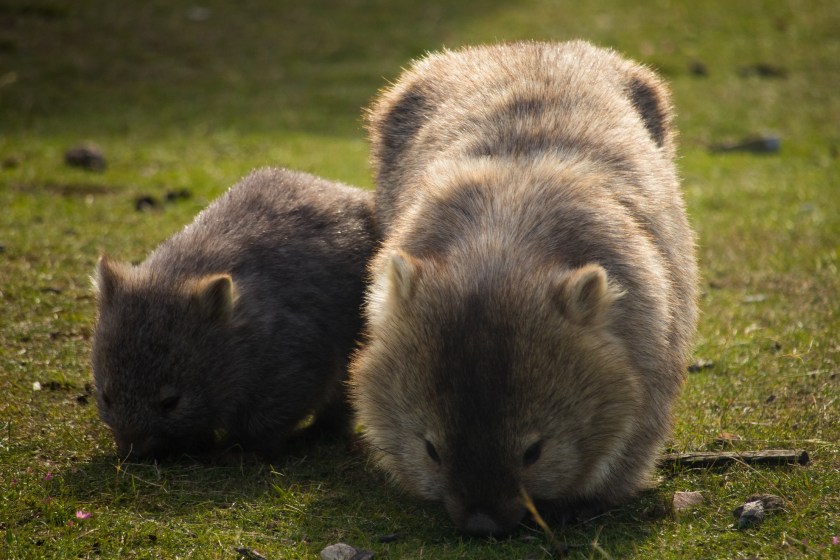
Like kangaroos, wombats are marsupials. That means that they raise their young inside a pouch on the front of their body. However, where they differ is that their pouch faces backward, towards their rear. Their pouch faces this way so that it doesn't fill with dirt while they dig their burrows.
6. They Are Faster Than You Think
Pexels image by Steve Burcham
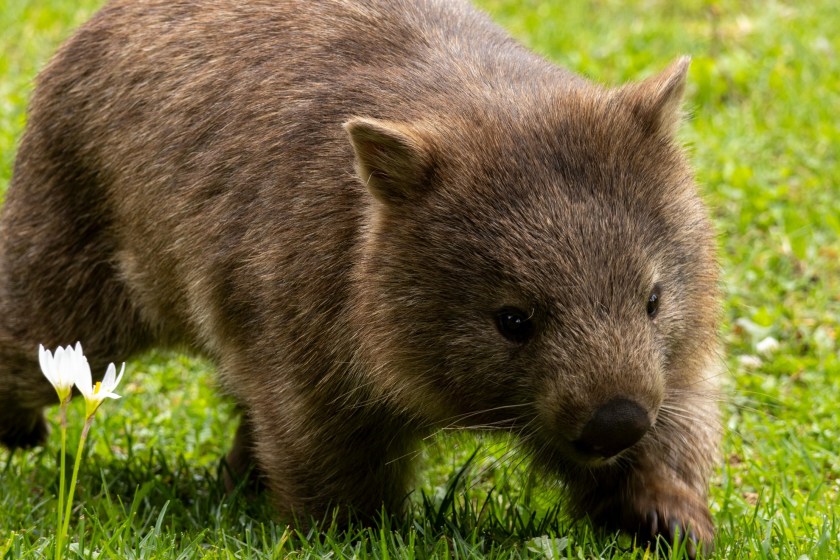
National Geographic Kids shares that these creatures can move quickly when they need to. Wombats can run 40km or about 25mph when they need to. Additionally, they can maintain that speed for approximately 90 seconds. There have even been reports of people being knocked over by a charging wombat!
7. Wombats Glow In The Dark
Pexels image by Elliot Connor
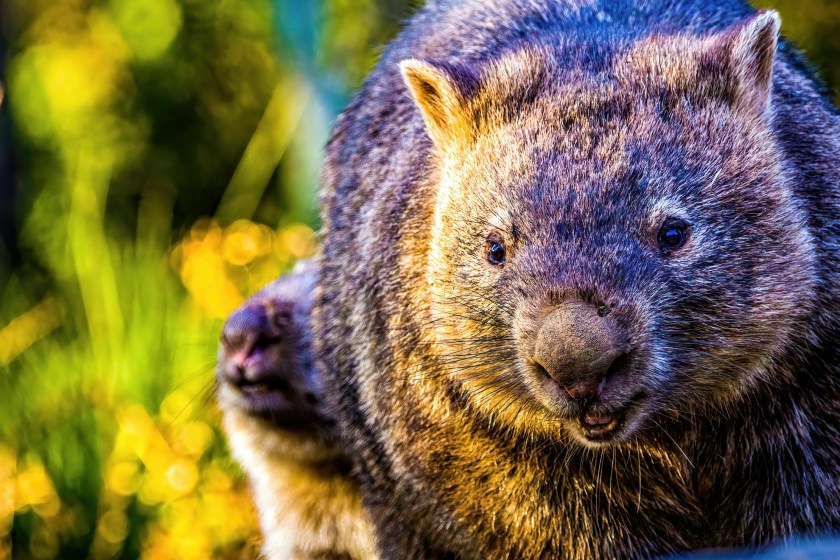
Now I know this is one of those wombat facts that you didn't know. But how fascinating is this fact? A researcher in the US discovered that a certain platypus specimen glowed green under UV light. Then, later, scientists in Australia decided to test it on Australian animals. It turned out that the wombats' thick hair absorbed and emitted light waves, showcasing their biofluorescence.
8. They Have Strong Bums
Pixabay image by annecclarkcom
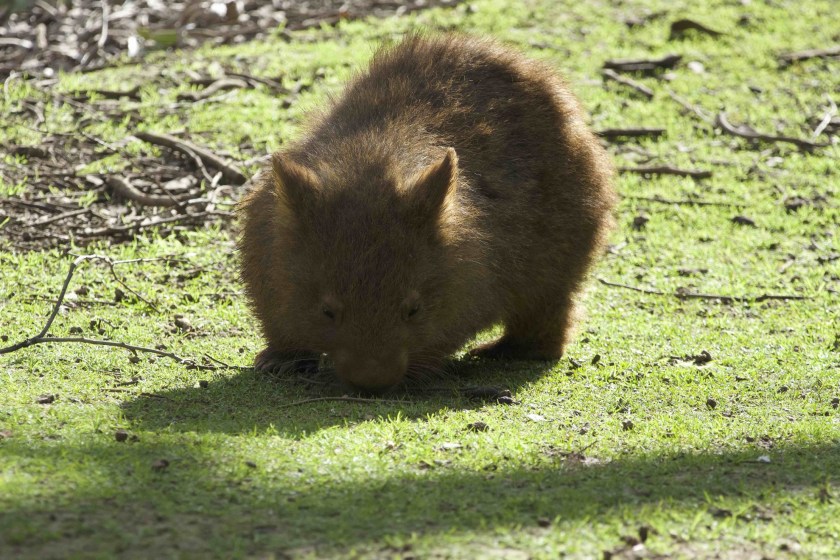
Another interesting defense mechanism of the wombat is their more-than-sturdy bum. WWF Australia shares that " Wombat posteriors are made of thick cartilage and are super tough." Therefore, it is challenging to bite through. So, when they are facing danger, they may dive into their burrows head-first and use their bottom to block the entrance. While a bite to their rear end would not feel good, it wouldn't be fatal for them either.
9. Their Closest Relative Is The Koala Bear

Shutterstock Image
This is one of those wombat facts that tends to surprise people. Perhaps given their misleading name, many people assume a kola bear is more closely related to bears than to wombats. However, the koala is the closest living relative to the wombat. Additionally, both of these animals have backward-facing pouches.
10. There Are Three Sub-Species Of Wombat
Pixabay image by DavidClode
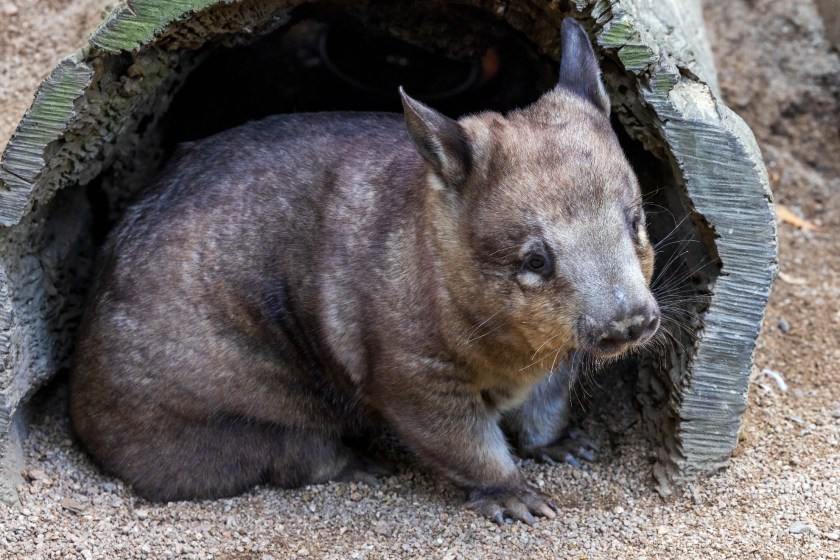
Rainforestation Nature Park shares that there are three species of wombat. They write, "The three species are Bare-Nosed Wombat (Vombatus Ursinus), Southern Hairy-nosed(Lasiorhinus latifrons), and Northern Hairy Nosed (Lasiorhinus krefftii)."

