
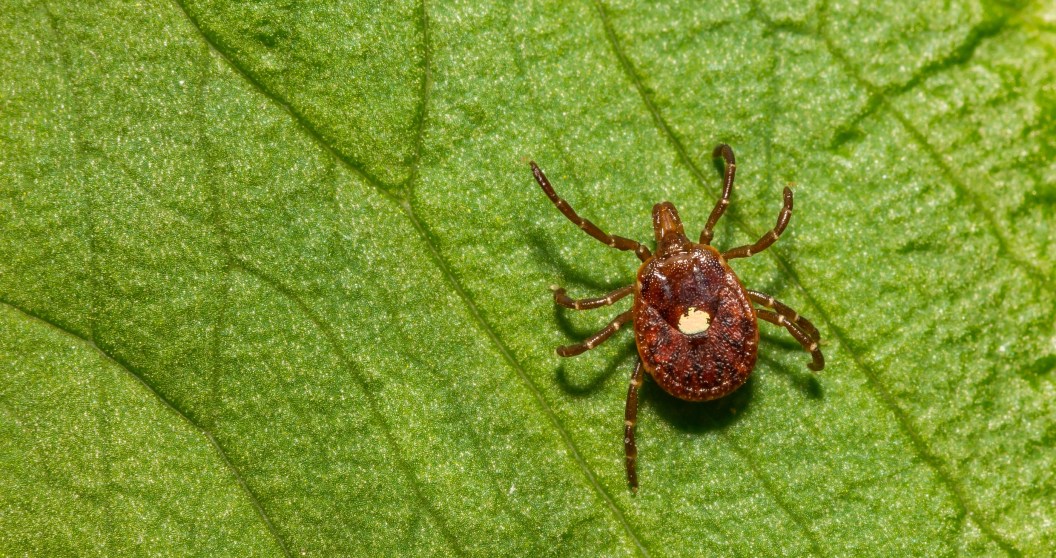
Some people choose to be vegan. Others apparently don't have a choice. People are claiming that ticks are turning them vegan after developing a life-changing allergy.
We're talking about alpha-gal syndrome, which is spread by the Lone Star tick population. The syndrome causes a severe allergic reaction to red meat as well as other animal byproducts. In a single bite, ticks can make it to where you can no longer enjoy those mouthwatering cuts of steak or any other red meat for that reason.
According to USA Today, reports have surfaced of people changing their diets in Martha's Vineyard after coming down with the virus. Chef Mufyn Love, the owner of the Martha Vineyard food truck You Enjoy My Vegan, told the outlet that people are coming to eat at his truck because they've been forced vegan.
As a result, they're struggling to find places to eat.
Ticks In New England And The North
"They tell us, 'I have alpha-gal,'" Love said. "A lot of them are like, 'We never go out to eat' because they struggle to find restaurants they can truly trust."
You see, ticks get the sugar alpha-gal by biting and feeding on animals such as cows and pigs. They then transfer it to humans when they bite us. That can make humans allergic to red meat, pork, and even dairy in some cases. Allergies range from stomach pain to life-threatening allergies. It's a bummer to go from steak lover to vegan due to ticks and their bites.
It's not uncommon either. According to the Center for Disease Control and Prevention, there's been more than 110,000 suspected cases of alpha-gal since 2010. Dr. Karen Casper, Emergency Medical Department Director at Martha's Vineyard Hospital, says the number of tick bites sending people to the hospital has increased as well.
Ticks are encroaching on New England and the Northeast it appears.
"There's clearly a northward movement and an inland movement away from the coast," Stephen Rich, head of The New England Center of Excellence of Vector-borne Diseases, said. "The breeding ground is just more abundant than it has ever been before."

