

Bees honestly get a bad reputation. Often known for their painful sting, many people overlook the many blessings that bees bring us. Bees are exceptional pollinators, and without them, we would not have many of the plants, fruits, or vegetables that we all consume. One particular bee that helps us dramatically is the beloved honey bee. Even after accidentally stepping on one this weekend and suffering its painful sting, I remain a strong advocate for honey bees. The world would be a much better place if we protected these incredible creatures. So, if you are on board, here are 10 ways you can help support honeybees from your own home.
1. Create A Pollinator Garden

Shutterstock Image
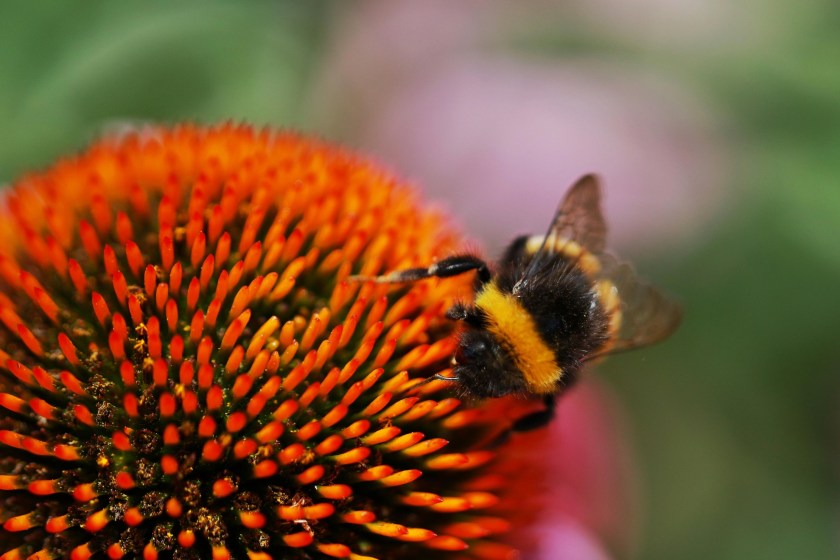
One of the best ways you can help support honeybees from your own home is by planting bee-friendly trees and plants. By creating your pollinator garden in your yard, you provide the bees with the space and resources they need to thrive. One thing to keep in mind, all plants are not created equal. For the honey bees, you want to plant native plants. Some honey bee favorite plants include bee balm, purple coneflower, and black eyed Susans.
2. Go Chemical Free
Pexels image by Tom Fisk
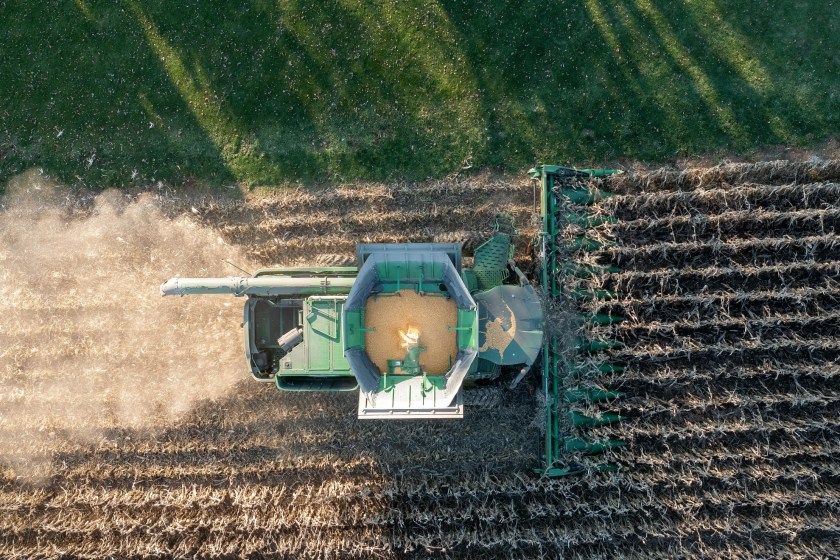
This is one of the most important ways you can support the bees. Harsh chemicals, such as pesticides, have a significant impact on honeybees. Additionally, things like herbicides and other agrochemicals can also cause harm to bees. Not only can you help the bees by avoiding spraying your own garden, but you can also buy organic when you can. By supporting organizations that do not use these harmful chemicals, you are helping the bees even more.
3. Support Organizations That Protect Bees
Pexels image by: Anete Lusina
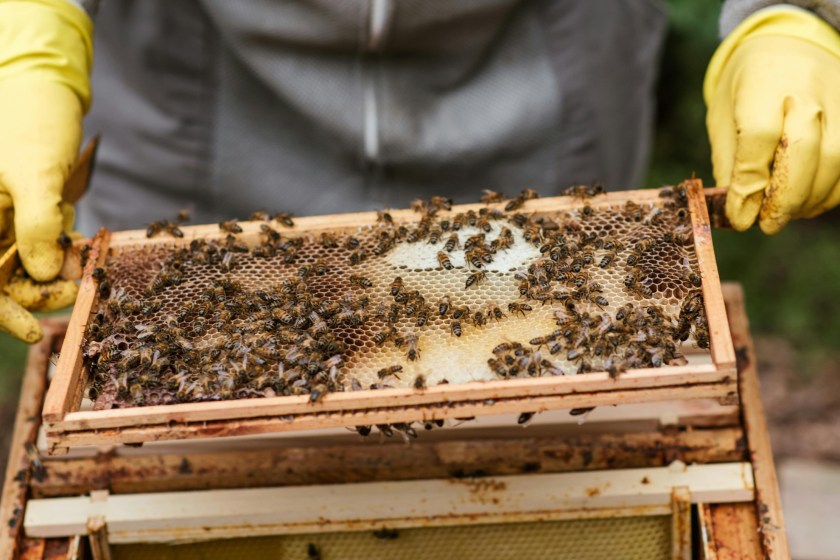
The Bee Conservancy shares this helpful tip to help support local bees. "Support organizations that have bee habitat and pollinator gardens, such as parks and nature reserves." That way, even while you are supporting them in your own garden, you can extend that support elsewhere too. Speaking of your own garden, try to limit lawn space—instead, plant wildflower meadows or native gardens.
4. Build Bee Habitats
Pexels image by David Hablützel
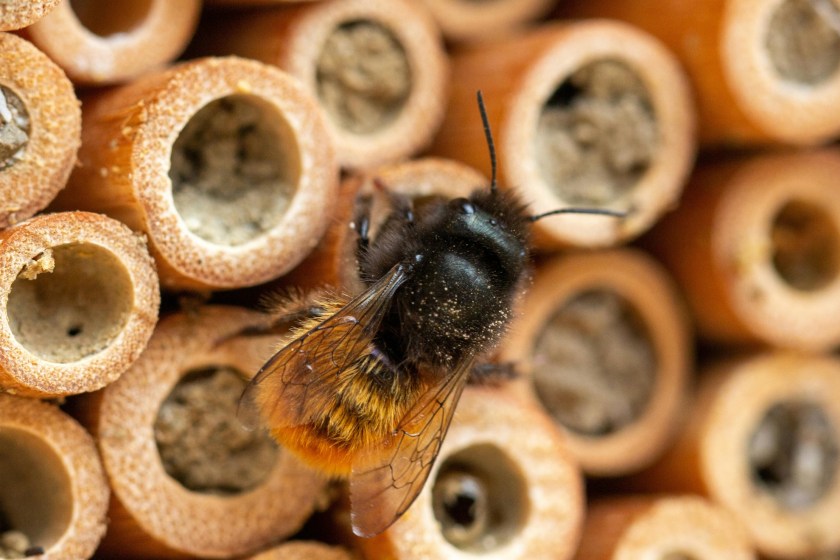
Domesticated honeybees live in social hives, so if you are up to the challenge, you could have beehives for honey bees. However, other types of bees are solitary. That means rather than laying eggs in a nest, they do so in nesting tunnels. You can provide these tunnels and create little bee habitats in your yard. The NWF Blog shares the following helpful hints in this category. "Providing nesting places for native bees is as important as providing native plants to supply them with pollen and nectar. Leave patches of bare soil in your garden for ground-nesting bees, leave plant stems standing through the winter, and keep dead trees or fallen logs. You can also put up "native bee nesting houses" that provide places for native bees to reproduce."
5. Remember Bees Are Friends, Not Foes

Pexels image by Ali Goode
Probably one of the most straightforward steps to helping the honeybee, and all bees for that matter, is to remember that they are not your enemy. Far too often, people see bees and panic. They swat at them or try to kill them to avoid being stung. Honey bees will not come after you unless they think you are a threat to their hive. Let your little friend go on its merry way. I promise you, she is more interested in finding pollen than stinging you. After all, stinging you would be the last act of her life. We lose enough bees every year to other causes; try not adding to that number by purposefully annihilating them.
6. "Bee" An Avid Learner
Pexels image by SweeMing YOUNG
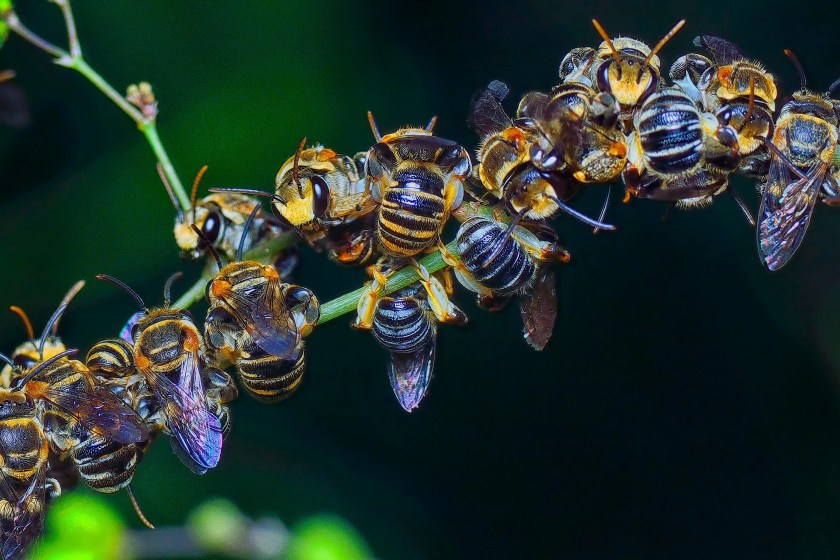
The greatest tool in your arsenal is knowledge. The more you know, the more you can grow. As well as use that knowledge to help save the bees. There are various ways to learn, whether you choose to conduct your own research at home or attend webinars and conferences. My husband and I even attended a local beekeeping class, just for fun. The amount that we learned was incredible. I highly recommend it.
7. Shop Locally

Pexels image by Peter de Vink
This may be one of those ways you can support honeybees from your own home that surprises you, but it is true. By shopping local, you help support American beekeepers. Purchasing products like honey and produce directly from them helps support local agriculture, which helps maintain healthy bee populations.
8. Supply Water Sources
Pexels image by Veronika Andrews
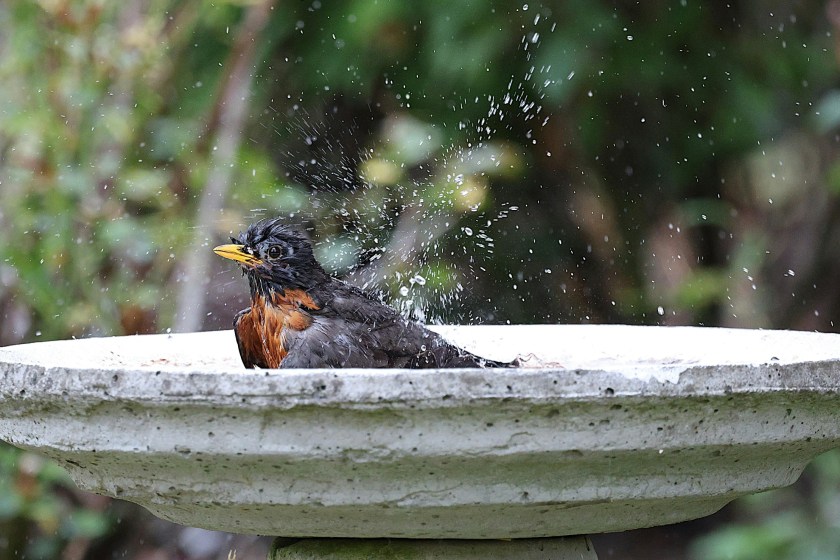
One way to help honeybees that many people often overlook is by providing water sources. NWF Blog shares that "Insects need liquid but can't drink from deep water for fear of falling in and growing." So, a way you can help bees without creating a drowning hazard is by filling a bird bath with large pebbles. Then, you fill it halfway with water. This allows safe landing spots for the bees so they can get a drink and crawl out if they fall in. Additionally, birds, butterflies, and other wildlife will also benefit from this water source.
9. "Bee" A Volunteer
Pexels image by Saleh Almawed
If you want to do more than send in monetary support, you could volunteer your time at some bee-friendly organizations. You could do activities such as helping to plant gardens and trees, removing invasive species, or writing advocacy letters. Even if you simply acquire new knowledge and skills to share, you are helping to make the world a better place for both bees and humans.
10. Spread The Word About The Importance Of Bees
Pexels image by Pixabay
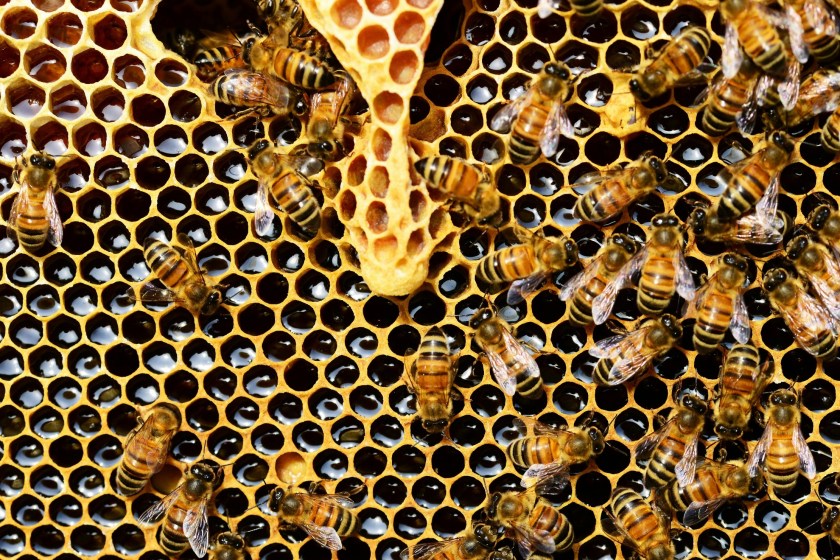
One of the simplest and most effective ways to help save honeybees is by spreading the word. Tell everyone you know at every opportunity. When you are at the family BBQ and someone swats a bee, stop them and tell them the importance of what that bee is doing. When you are sharing fun facts at the water cooler at work, share some incredible bee facts. Send that knowledge far and wide out into the world, and with each person you tell, bees stand that much more of a chance at surviving.

