
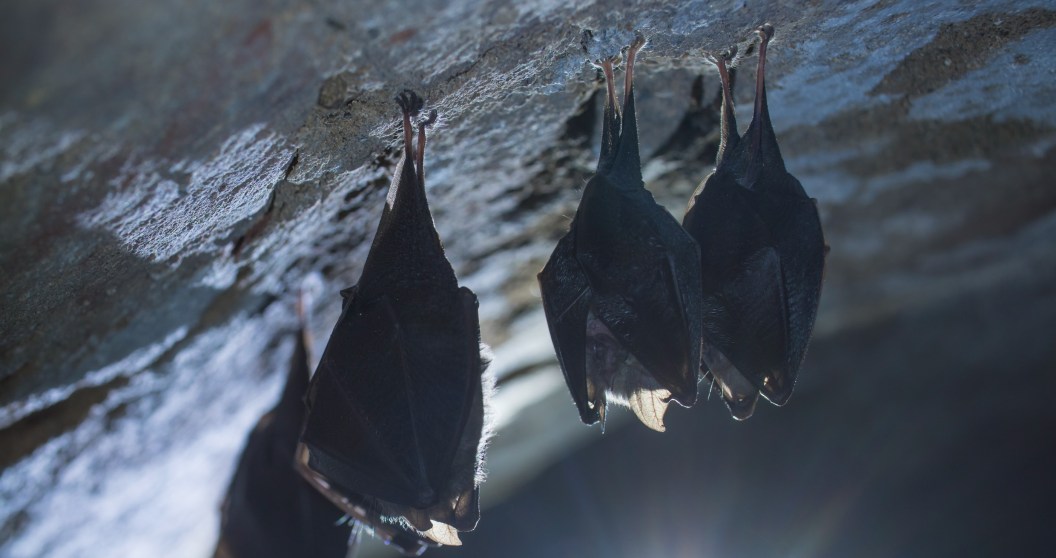
Experts from the Nevada Department of Wildlife (NDOW) recently confirmed the presence of a newthey have now issued a press release tous is linked to white-nose syndrome in bats. The fungus was discovered by officials monitoring the Lake Mead National Recreation Area near Las Vegas. Now, they have issued a press release to the public.
What You Need To Know About This New Disease Linked To Bat Fungus
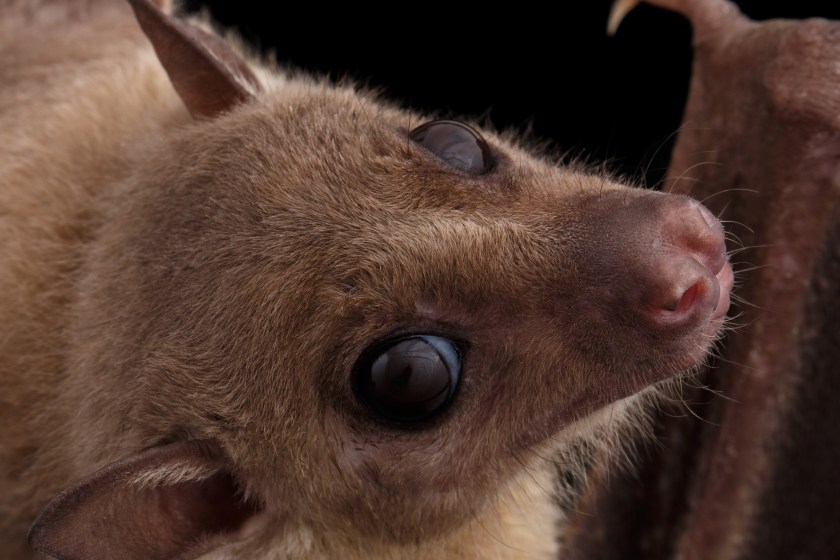
Getty Image
The Center of Biological Diversity shares that white-nose syndrome is "the result of a fungus called Pseudogymnoascus destructans, which invades and ingests the skin of hibernating bats, including the wings." Not only does the damaged tissue cause them to wake more often during hibernation, but occasionally it also damages their wings so much that they cannot fly. Additionally, dead bats that suffered from this syndrome often had white fuzz around their muzzles, hence the name.
While Pseudogymnoascus destructans (Pd) was discovered by officials, the NY Post shared that so far "no bats have shown clinical signs of white nose syndrome." Another reassuring piece of information is that humans are currently not at risk of contracting this disease. The outlet shared that Fox News senior medical analyst Dr. Marc Siegel spoke with Fox News Digital. There, he stated, "the disease has no impact on humans - unless it were to mutate."
So I guess let's all keep our fingers crossed, am I right? Unfortunatley for the bats, humans are great at spreading this disease to them. Siegel explained that "humans unintentionally spread it from cave to cave by tracking the spores on their shoes."
Do You Need To Worry?
As previously stated, unless you are a bat, there is no immediate threat from this disease. Siegel explains that "Fungus likes cold blood." As humans are warm-blooded, they should be fine. Now, I know what you are thinking, but bats are warm-blooded too. True, but they cool down significantly while they are hibernating, providing the perfect breeding ground for the fungus. Unfortunately, once they wake and warm back up, "they start behaving strangely and often die of starvation."
Rather than fearing the effects of this disease from bat fungus on humans, experts are more concerned with how this fungus could affect the bat population and conservation efforts in Las Vegas.

